Introduction to Outdoor Preparation
Venturing into the wilderness for the first time is an exhilarating experience, but the success of your trip depends heavily on the quality and suitability of your gear. For beginners, the market can feel overwhelming with technical jargon and vast price discrepancies. This guide is designed to simplify your decision-making process by focusing on functionality, comfort, and durability. Whether you are planning a weekend at a local state park or a day hike in the mountains, understanding the fundamentals of outdoor equipment ensures safety and enjoyment.
Evaluating Key Features in Hiking and Camping Gear
When selecting equipment, three factors should remain at the forefront of your decision: weight, durability, and packability.
Weight and Portability
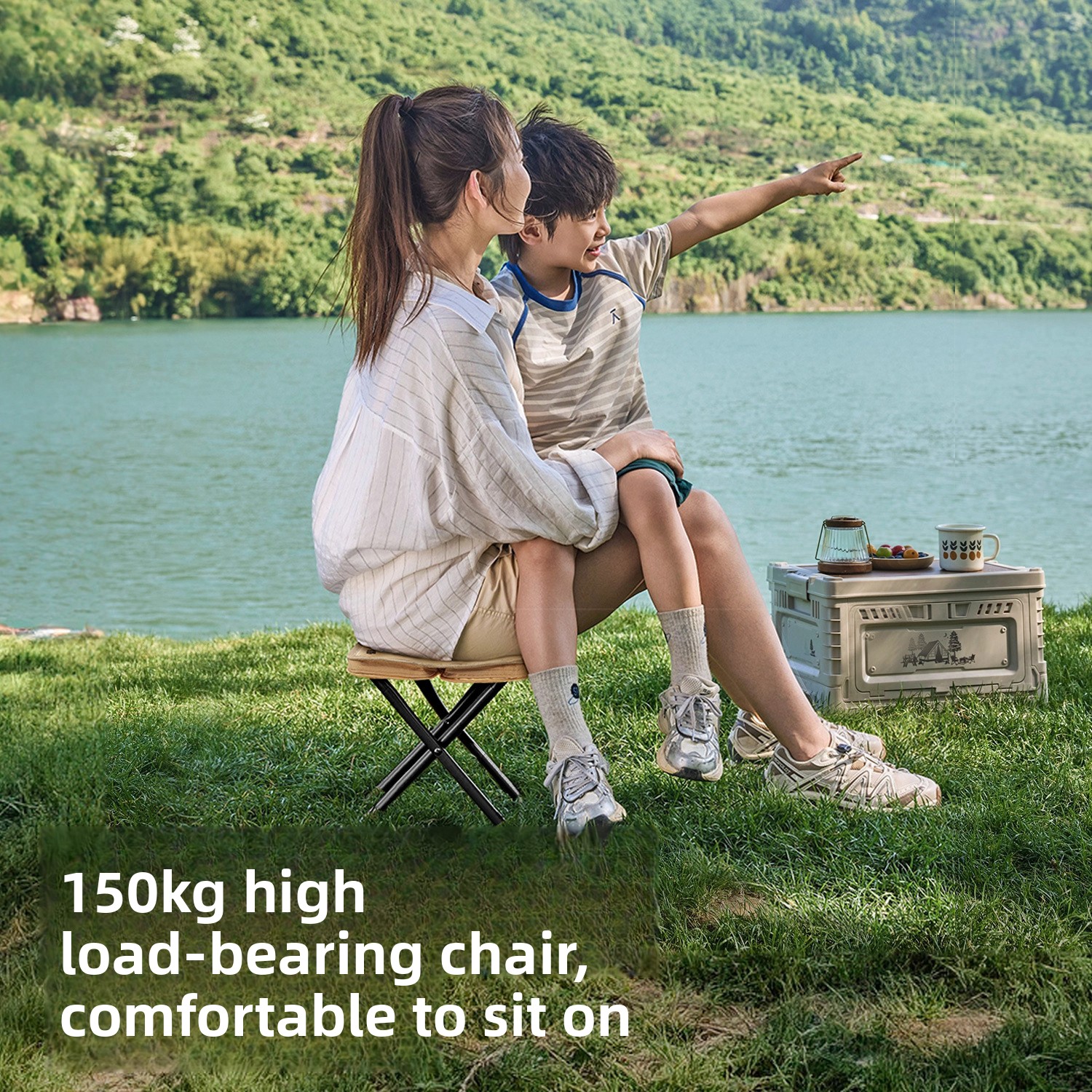
For hikers, every ounce matters. Heavy equipment leads to fatigue and increases the risk of injury. However, for car camping, you can prioritize comfort over weight. Products like the Ultra-light Folding Stool, Pencil Case, Folding Camp Stool offer a perfect balance for those who need a quick, lightweight seating solution that doesn't take up valuable space in a pack.
Durability and Materials
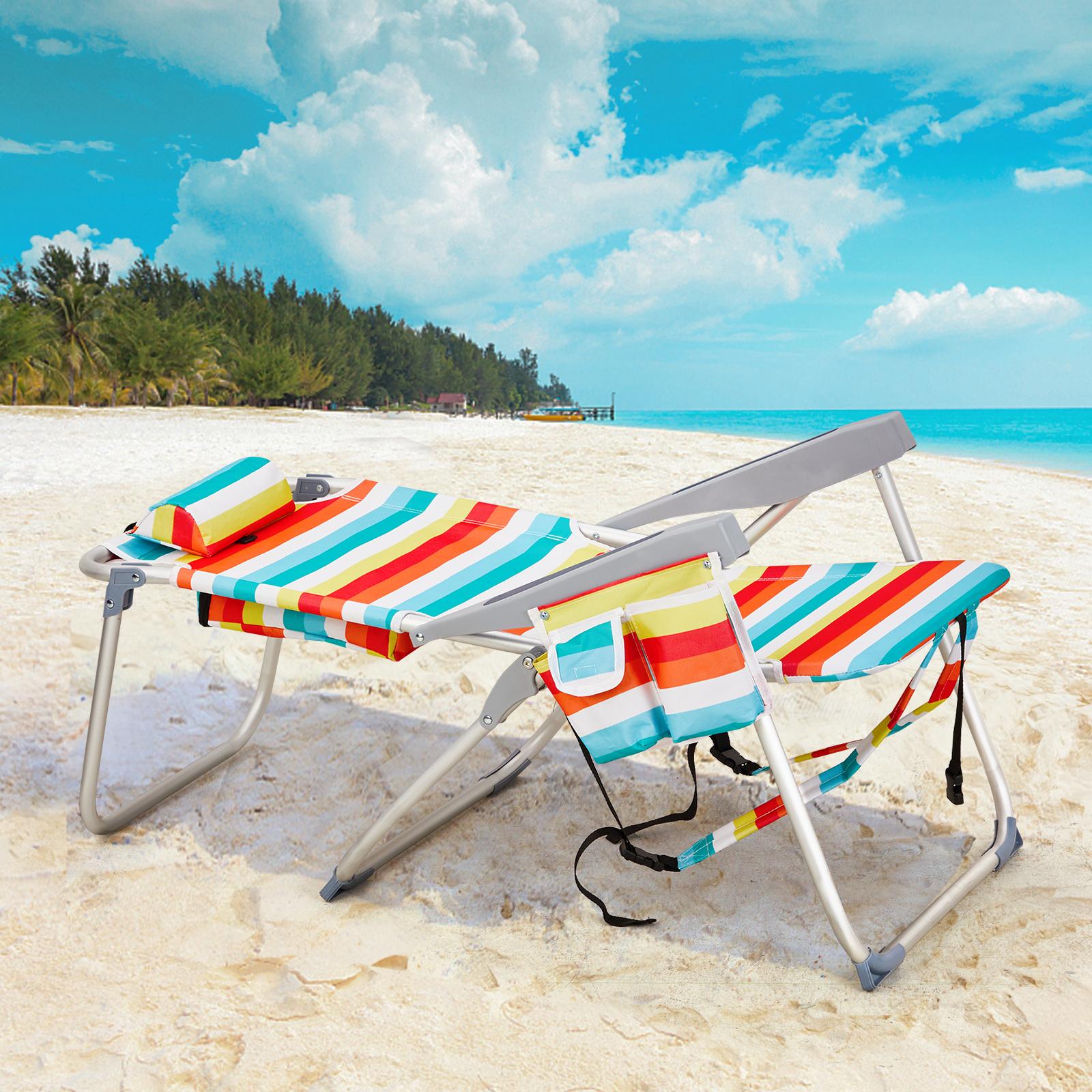
Outdoor gear faces harsh elements including UV rays, moisture, and abrasive surfaces. Look for high-denier fabrics and reinforced stitching. If you are heading to the coast or a sandy campsite, the Adjustable Rainbow-Striped Backpack Beach Chair Portable Folding Lounger is built to withstand these specific environments while providing a stable, long-lasting frame.
Weather Resistance
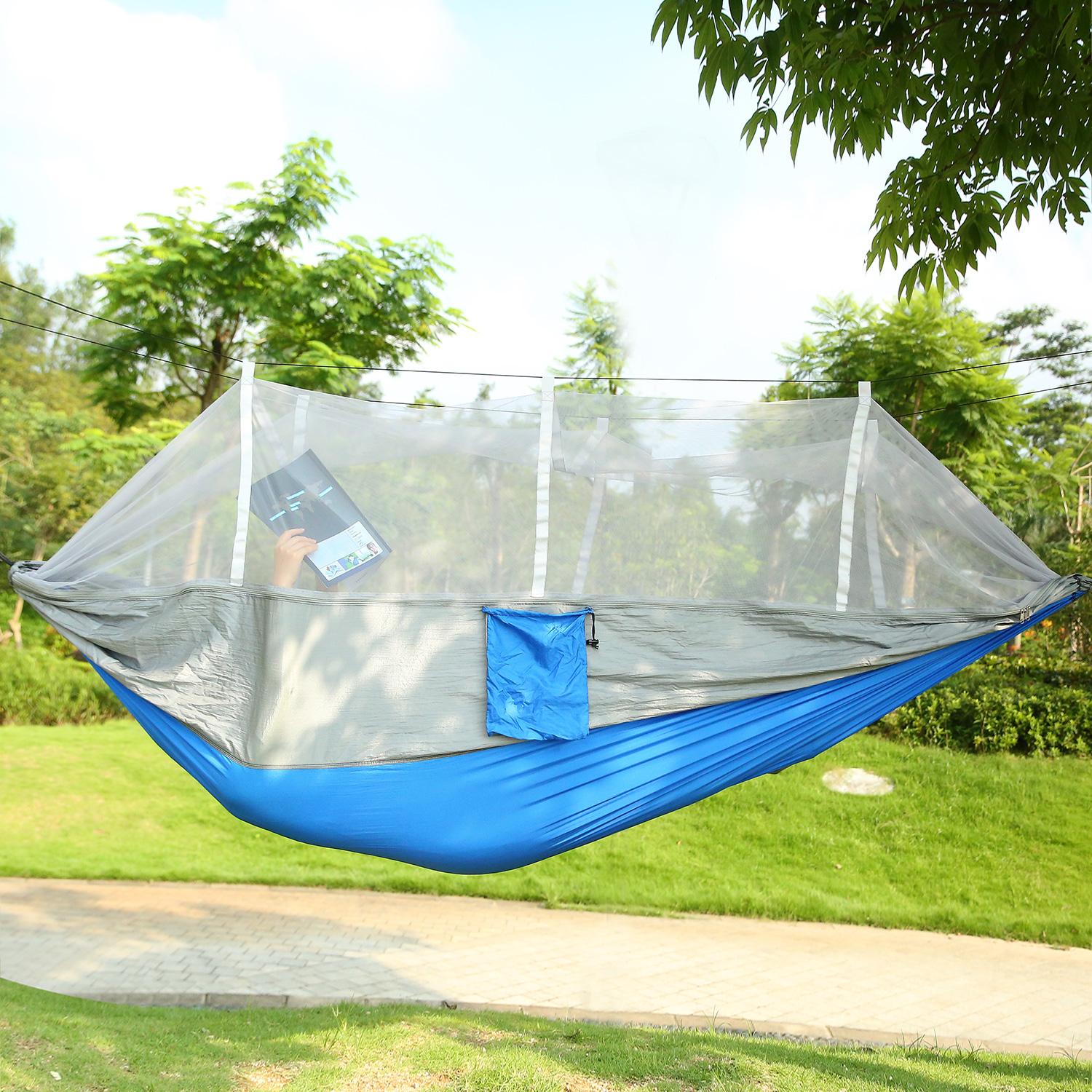
Nature is unpredictable. Your gear should offer protection against insects and moisture. For example, the PulseOutdoor Anti Mosquito Hammock is a critical investment for those camping in humid or wooded areas where pests can ruin a night's sleep. Integrating mesh protection directly into your sleeping system is more efficient than carrying separate bug nets.
Understanding Budget Tiers
Entry-Level Essentials
If you are testing the waters, you do not need to spend thousands. Affordable items like the Ultra-light Folding Stool provide immediate utility for under ten dollars. Focus your initial budget on items that provide basic comfort and safety.
Mid-Range Performance
As you transition from occasional use to frequent outings, investing in specialized comfort becomes important. High-end seating, such as the Adjustable Rainbow-Striped Backpack Beach Chair, offers ergonomic support, integrated pillows, and side storage pockets that justify a higher price point through superior materials and longevity.
Premium Technical Gear
Professional-grade gear often focuses on ultra-lightweight materials like titanium or carbon fiber and advanced weatherproofing. This tier is typically reserved for long-distance backpackers or those facing extreme weather conditions.
Common Mistakes Beginners Make
One of the most frequent errors is overpacking. Beginners often carry unnecessary gadgets that add weight without providing real value. Another mistake is failing to test gear before the trip. You should always practice setting up your hammock or folding your chairs at home to ensure no parts are missing and you understand the mechanics.
Furthermore, many novices overlook the importance of a 'leave no trace' philosophy. Ensure your gear choices, such as portable stools and hammocks, do not damage local flora. Using tree-friendly straps with the PulseOutdoor Anti Mosquito Hammock is an essential practice for environmental conservation.
Maintenance and Longevity Tips
To maximize the lifespan of your investment, follow these maintenance protocols:
- Dry Before Storage: Never store a tent, hammock, or chair while it is damp. This prevents mold and mildew from breaking down the fabric.
- Clean After Use: Use a damp cloth to wipe down frames and fabric. Saltwater from beach trips can corrode metal components on chairs if not rinsed off.
- Check Fasteners: Periodically tighten any screws or bolts on folding furniture like the Ultra-light Folding Stool to ensure structural integrity.
- Storage Environment: Keep gear in a cool, dry place away from direct sunlight, which can degrade synthetic fibers over time.
When to Upgrade Your Gear
You will know it is time to upgrade when your current kit limits your progression. If your gear is too heavy for the distances you want to hike, look for 'ultra-light' alternatives. If you find yourself waking up with back pain, it is time to move from a basic ground pad to a high-quality lounger or a specialized hammock system. Upgrading should be a response to a specific need rather than a desire for the newest aesthetic trend.