Introduction to Home Office Organization
Transitioning to a home office requires more than just a desk and a chair; it demands a strategic approach to storage to maintain productivity and mental clarity. For first-time buyers, the challenge lies in balancing aesthetics with functionality. Without a proper system, paperwork, tech cables, and miscellaneous supplies can quickly overwhelm a workspace, leading to a cluttered environment that hinders focus. This guide explores how to evaluate your needs, choose the right furniture, and integrate unconventional storage solutions to create a professional and efficient area.
Key Features to Evaluate Before Purchasing
When selecting storage units, the first consideration should be the footprint versus the capacity. In smaller rooms, verticality is your best friend. Look for tall shelving units or wall-mounted systems that utilize the height of the room rather than taking up precious floor space.
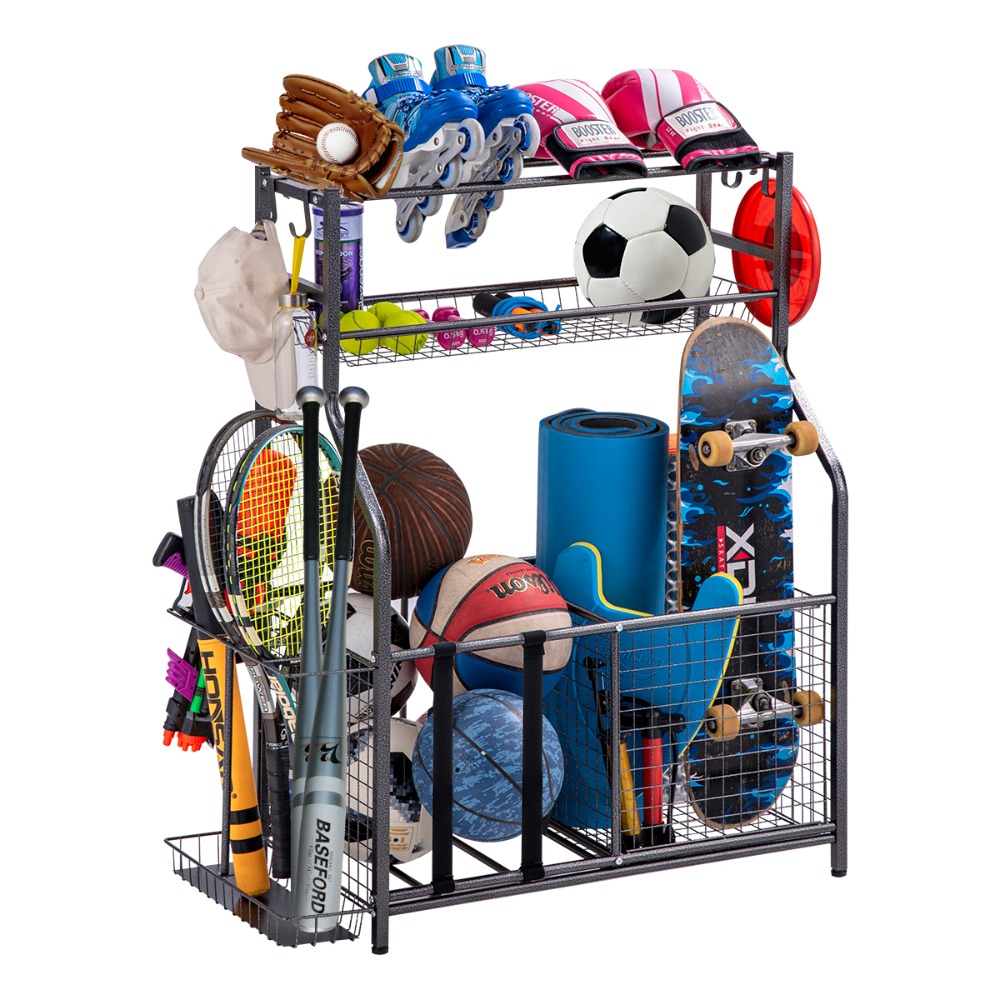
Material durability is another critical factor. While particle board is cost-effective, solid wood or metal frames offer longevity, especially if you plan to store heavy reference books or hardware. Accessibility should also dictate your choice; items used daily should be within arm's reach in open bins or top drawers, while archival documents can be relegated to lower cabinets or remote storage. For those with multi-functional rooms, portability features like locking casters allow you to reposition your storage as needed. For example, the Storage Rack, Sports Equipment Storage Rack, Multi-layered And Partitioned offers a flexible combination design that can be adapted for bulky office supplies or even physical fitness gear if your office doubles as a workout space.
Budget Tiers and What to Expect
Understanding what your money buys in the home office market helps manage expectations.
- Entry-Level ($10 - $50): At this tier, focus on desktop organizers, cable management sleeves, and small decorative accents. You can find items like the Nordic Art Horse Head Sculpture Home Living Room TV Cabinet Decoration to personalize your space without a large investment. Most products here are made of plastic, wire mesh, or light resins.
- Mid-Range ($50 - $200): This is the sweet spot for most first-time buyers. Here you will find sturdy shelving, filing cabinets, and specialized equipment. The Storage Rack, Sports Equipment Storage Rack falls into this category, providing partitioned organization that maximizes utility. You may also find niche electronic items like the Small Household Fully Automatic Incubator if your home office supports specific hobbies or small-scale biological ventures.
- Premium ($200+): High-end budgets allow for solid hardwood furniture, integrated smart-desk systems, and heavy-duty industrial tools. In specialized home-based agricultural offices, professional-grade tools like the Electric Ear Tag Pliers For Pigs Cattle And Sheep With Ear Numbers represent the upper end of functional storage and utility equipment.
Integrating Wellness and Multi-Functional Storage
A modern home office often serves multiple roles. As remote work becomes permanent, many professionals are integrating fitness and wellness into their workspace. Compact devices like the PulseOffice SL Full-Body Beauty Shaping Device With EMS Microcurrent For Exercise And Fitness #771eaa-1 are designed to be stored easily in a desk drawer or a small bin, allowing for quick wellness breaks between meetings. By choosing storage that can accommodate both professional files and personal health tools, you create a more holistic environment.
Common Mistakes First-Time Buyers Make
One of the most frequent errors is buying storage before auditing actual needs. Many people purchase large filing cabinets only to realize they have transitioned to a paperless workflow. Another mistake is ignoring the "depth" of shelving. Shelves that are too deep often result in lost items at the back, while shelves that are too shallow won't fit standard binders.
Furthermore, many beginners fail to account for cable management. A storage unit that doesn't have cut-outs for wires will lead to a tangled mess on top of your desk. Ensure that any hutch or cabinet intended for electronics has ventilation and cord routing paths.
Maintenance and Longevity Tips
To keep your home office storage looking new, perform a monthly audit. Remove items that no longer serve a purpose to prevent "storage creep." Dust electronic storage areas frequently, as dust buildup can lead to overheating for devices stored in enclosed cabinets. For wooden furniture, use a microfiber cloth and avoid harsh chemicals that can strip the finish. If you use metal racks, ensure they are kept in a low-humidity environment to prevent oxidation over time.
When to Upgrade Your Storage System
You will know it is time to upgrade when your current system creates friction in your workday. If you spend more than a few minutes looking for a specific cord or document, your system has failed. Growth is another indicator; if you have transitioned from a side hustle to a full-time business, you may need to move from basic shelving to more specialized, heavy-duty solutions. Upgrading to modular pieces allows your office to grow with your career requirements without needing a complete overhaul every year.