Understanding the Evolution of Women's Shorts
Women's shorts have evolved from basic utility garments into highly specialized pieces of apparel designed for specific biological and athletic needs. Whether the goal is high-intensity interval training, long-distance running, or casual home lounging, the construction of the garment dictates the wearer's comfort and performance levels. Modern textile technology now allows for moisture-wicking, four-way stretch, and compression features that were previously unavailable. Choosing the right pair involves understanding the intersection of fabric science and ergonomic design.
Key Benefits of Specialized Athletic Shorts
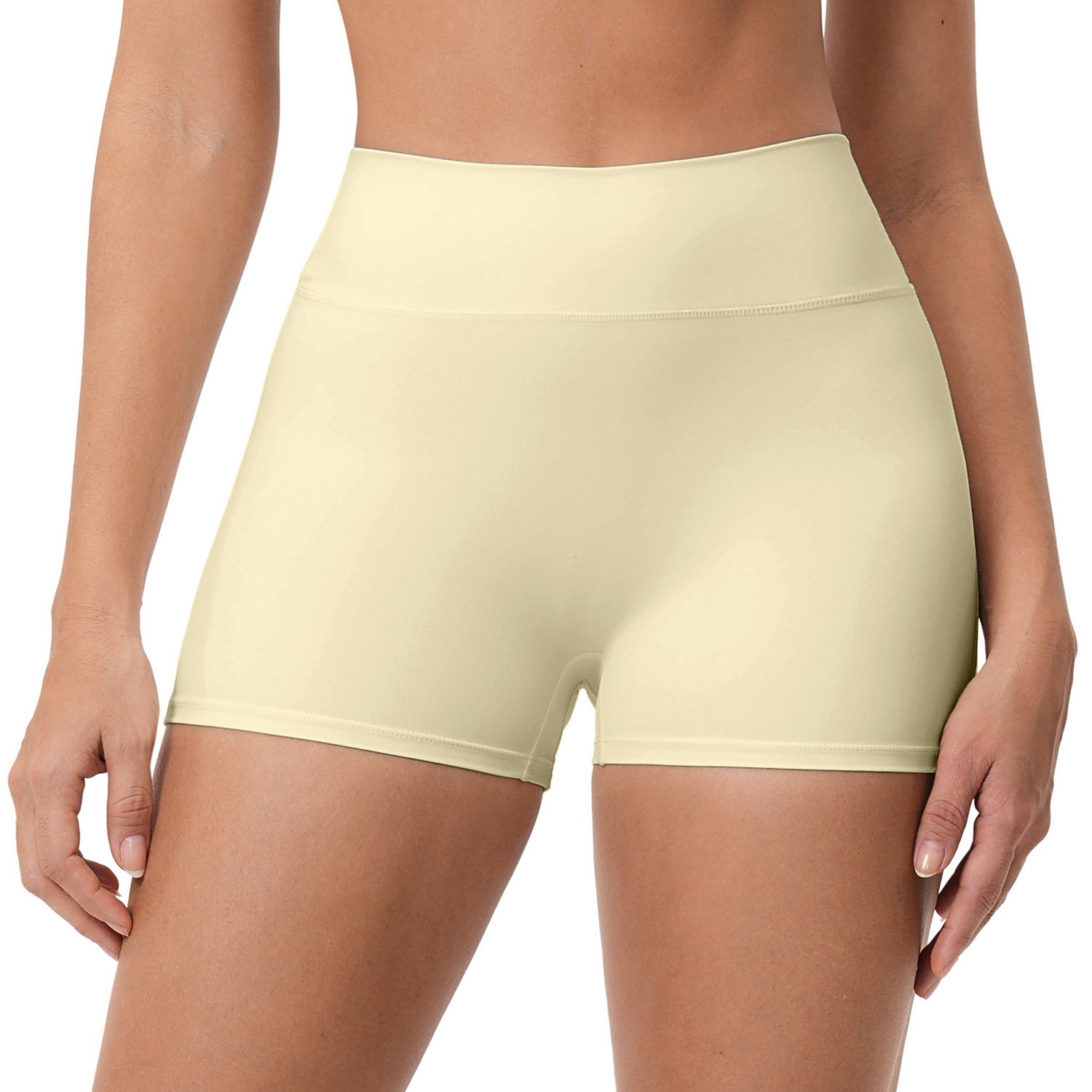
Investing in purpose-built shorts like the PulseFit Home Sports Running Fitness Quick-drying Shorts offers several advantages over generic cotton alternatives.
Moisture Management
Quick-drying fabrics are essential for maintaining core temperature and preventing skin irritation. Synthetic blends pull sweat away from the body to the surface of the fabric where it can evaporate quickly. This is critical for preventing the heavy, sodden feeling that occurs with natural fibers during intense workouts.
Muscle Support and Recovery
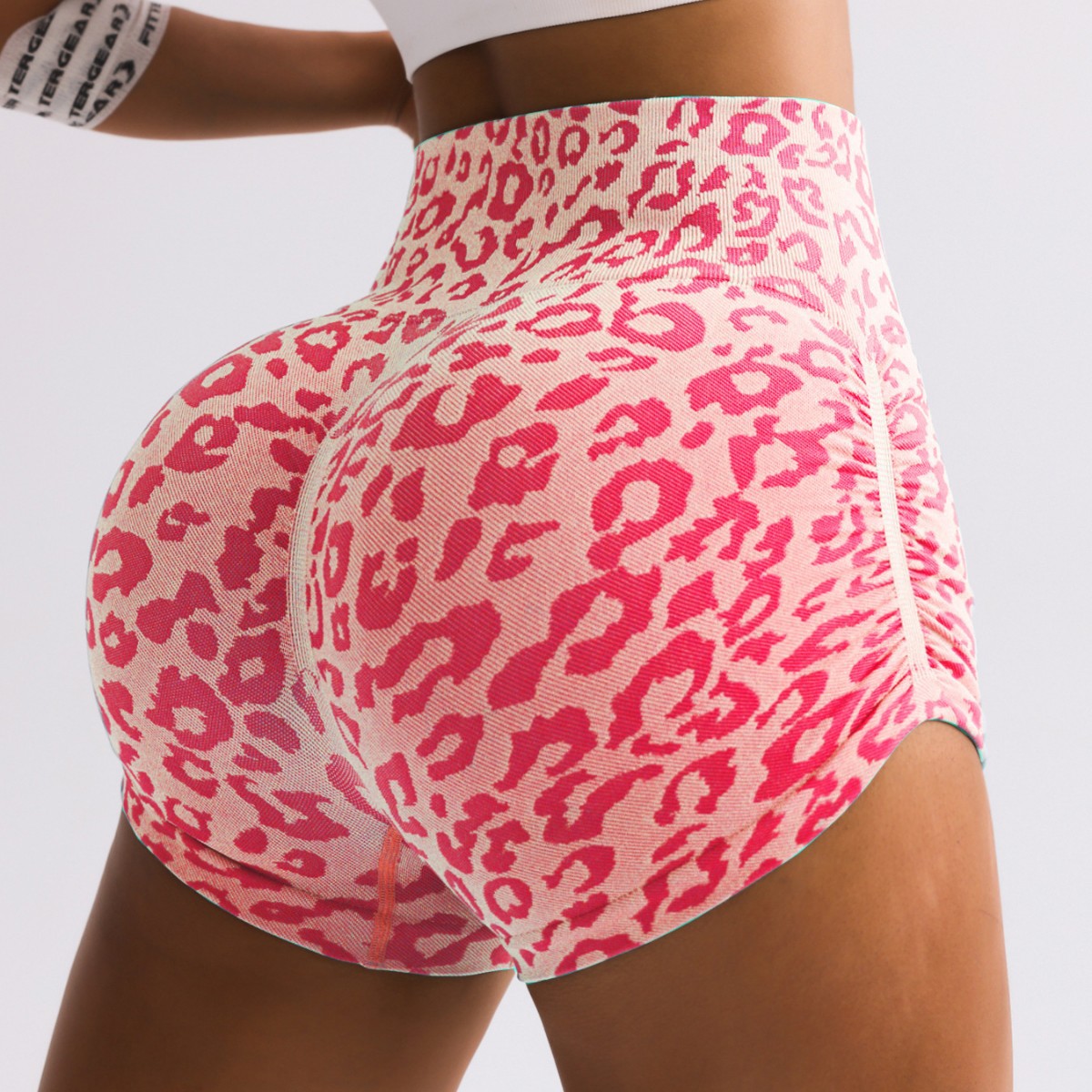
Compression-style shorts provide a snug fit that helps stabilize muscle tissues during explosive movements. This reduces muscle oscillation, which can lead to fatigue and soreness. Products such as the PulseFit Home Butt-Lifting Tight-Fitting Outerwear Running Fitness Shorts utilize this tight-fitting technology to provide both aesthetic shaping and functional support.
Range of Motion
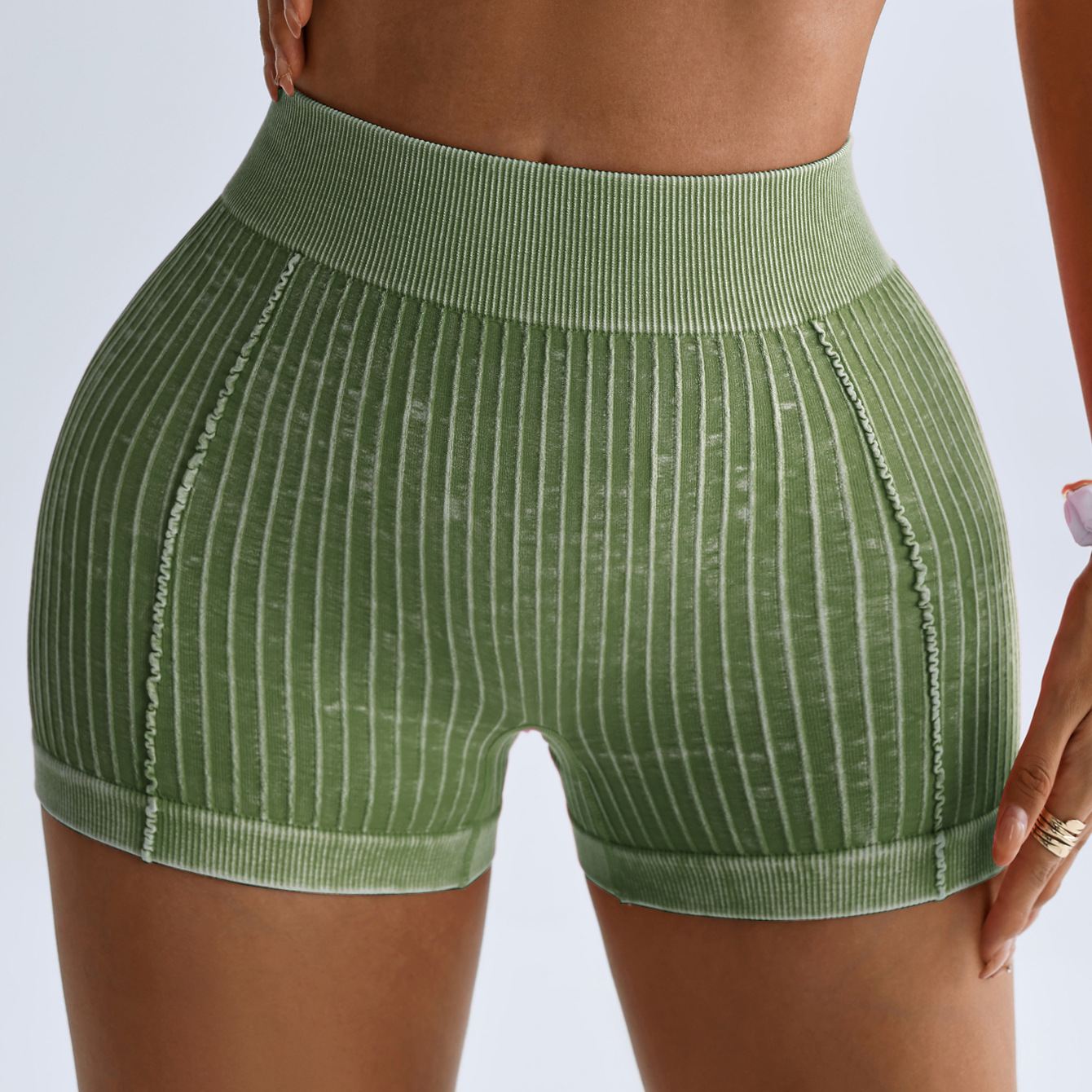
Unlike restrictive denim or heavy canvas, athletic shorts are engineered with high elastane content. This ensures that during squats, lunges, or sprints, the fabric moves with the body rather than against it. The PulseFit Home Sports Fitness Cropped Pants, for example, offer a balance between coverage and flexibility, allowing for a full range of motion in yoga or Pilates settings.
How to Choose the Right Pair for Your Activity
Selecting the ideal shorts requires an assessment of your primary activity and your personal comfort preferences regarding length and compression.
For High-Impact Running
If you are a runner, friction is your primary enemy. Look for shorts with flat-locked seams and a secure waistband. The PulseFit Home Sports Running Fitness Quick-drying Shorts are specifically designed for this, ensuring that the material does not chafe against the inner thighs during repetitive strides.
For Weightlifting and Cross-Training
In the weight room, durability and coverage are paramount. You need a fabric that can withstand contact with knurled barbells. Tight-fitting options are often preferred here as they do not get caught on equipment and allow the athlete to monitor their knee and hip alignment in the mirror.
For Low-Impact and Recovery
On rest days or during light stretching, comfort takes priority. The PulseFit Home Sports Fitness Cropped Pants provide a slightly longer silhouette which is ideal for cooler environments or for those who prefer more coverage than a traditional micro-short provides.
Common Pitfalls to Avoid When Shopping
Many consumers make the mistake of prioritizing aesthetics over technical specifications. One common pitfall is choosing the wrong size in compression gear; if the shorts are too tight, they can restrict blood flow, but if they are too loose, they fail to provide the intended support and may slide down during movement.
Another mistake is ignoring the 'squat-test.' Some lower-quality fabrics becomes translucent when stretched. It is vital to choose high-density knits that maintain opacity even under tension. Additionally, failing to check for a gusseted crotch can lead to discomfort; a triangular piece of fabric sewn into the crotch area helps disperse tension and improves the overall fit of tight-fitting shorts.
Who Should Invest in Technical Shorts?
Technical shorts are not exclusively for professional athletes. They are designed for any woman who values physical longevity and comfort.
- The Daily Runner: Needs the quick-drying capabilities of the PulseFit Home Sports Running Fitness Quick-drying Shorts to handle various weather conditions.
- The Gym Enthusiast: Benefits from the silhouette-enhancing and muscle-stabilizing properties of the PulseFit Home Butt-Lifting Tight-Fitting Outerwear Running Fitness Shorts.
- The Home Fitness Practitioner: Needs versatile, affordable options like the PulseFit Home Sports Fitness Cropped Pants for transition between chores and a quick yoga session.
By matching the specific features of the garment—such as fabric weight, seam construction, and compression level—to your lifestyle, you ensure a better return on your investment and a more enjoyable exercise experience.