Cultivating the Perfect Verdant Sprig: A Guide to Smart Hydroponics for Apartment Chefs
6/29/2026

Maximizing Your Verdant Sprig Seedlings in Smart Hydroponic Systems
Transitioning from a traditional soil-based garden to a high-tech indoor setup is a transformative experience for any apartment chef. The promise of the "verdant sprig"—that first, vibrant burst of green growth from a germinating seed—is the highlight of the process. In a smart hydroponic environment, these sprigs represent more than just food; they are a testament to efficient, sustainable urban living.
To cultivate a successful indoor harvest, success begins with the environment. Unlike outdoor gardening, where nature provides the light and ventilation, indoor systems require a deliberate setup. Using products like the PulseOutdoor Home Balcony Hydroponic Vegetable Planter, apartment dwellers can bypass the limitations of seasonal weather and soil-borne pests.
Essential Infrastructure for Healthy Indoor Seedlings
The foundation of a thriving indoor garden lies in the hardware that supports the life cycle of your plants. For those using technology to bridge the gap between "urban" and "nature," selecting the right tools is critical.
Smart Planters and Growth Chambers
Large-scale hydroponics can be intimidating, but for common culinary herbs and greens, specialized planters are designed to manage water levels and nutrient delivery automatically. The PulseOutdoor Home Balcony Hydroponic Vegetable Planter is engineered to maintain the delicate balance required by young seedlings.
Protecting the Early Growth
For those with more space or perhaps a sheltered balcony, the PulseOutdoor Mini Walk-in Greenhouse offers an added layer of protection. While hydroponics often implies a completely indoor setup, many "apartment chefs" utilize balconies to supplement their indoor growth. A greenhouse environment stabilizes temperature fluctuations, ensuring that a delicate verdant sprig doesn't succumb to a sudden draft or drop in humidity.
Optimizing the Germination Environment
When you first place your seeds into a hydroponic medium—whether it be rockwool, coco coir, or peat plugs—you are creating a micro-environment. To ensure every verdant sprig reaches its full potential, consider the following environmental factors:
- Light Spectrum: High-tech systems often come with integrated LED lights. Ensure your lights are set to the correct spectrum for vegetative growth (typically blue-heavy) to prevent your seedlings from becoming "leggy" or weak.
- Water Quality: Hydroponic systems rely entirely on the water you provide. Filtered water is often preferred to avoid chlorine buildup, which can burn sensitive young roots.
- Aeration: Stagnant water is the enemy of the verdant sprig. Smart systems circulate water to prevent algae growth and ensure oxygen reaches the root zone.
- Temperature Control: Most culinary herbs germinate best between 65°F and 75°F.
Expanding to the Patio: Transitioning Your Greens
While the initial "verdant sprig" phase is often managed indoors, many apartment chefs choose to transition their hardier plants to a patio or balcony as they mature. This creates a multi-layered garden that utilizes both Technology and Outdoor categories.
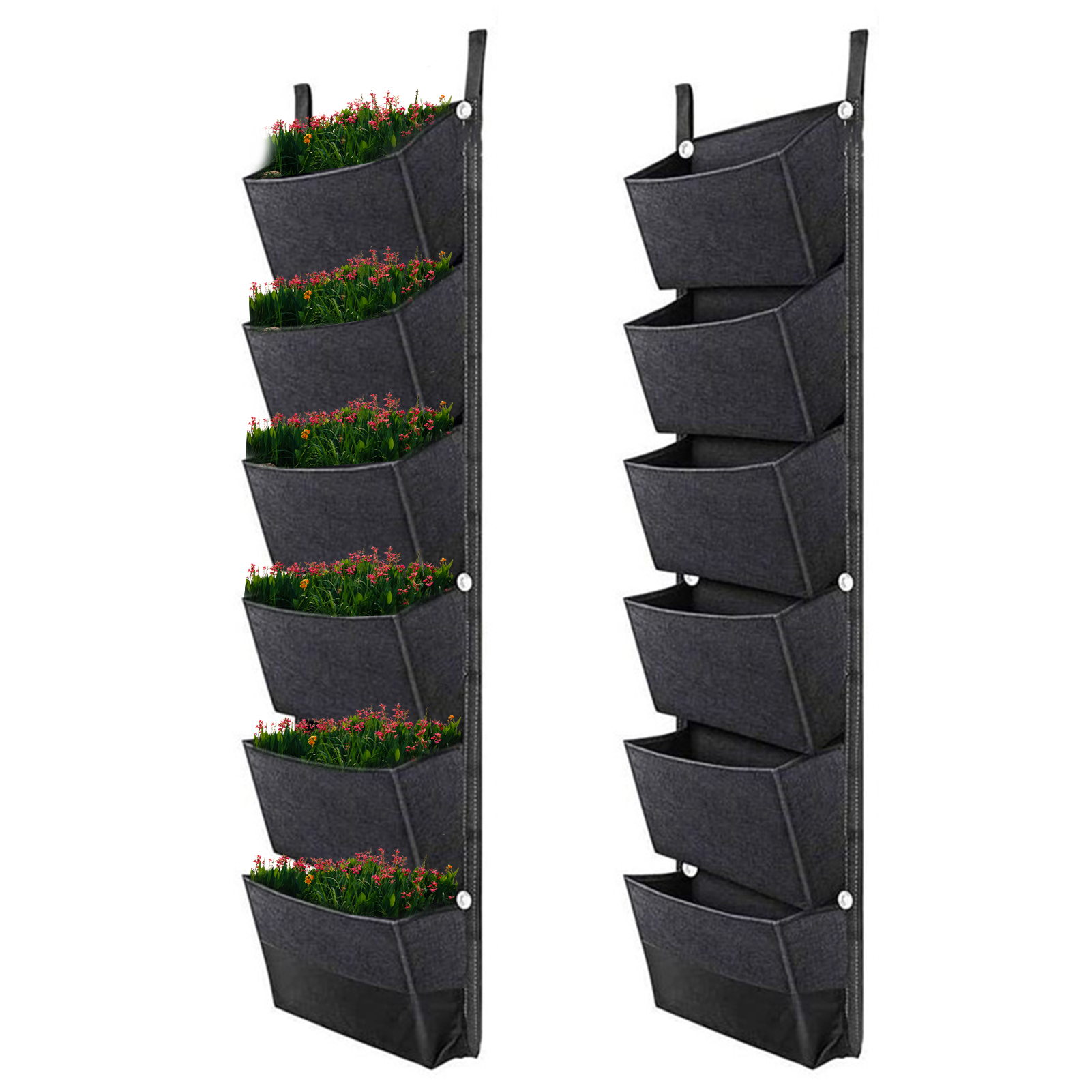
To make your patio as functional as your smart kitchen garden, integration is key. For example, using PulseOutdoor Hanging Planting Bags allows you to utilize vertical space for strawberries or trailing herbs that may have outgrown their initial hydroponic pods.
Creating a Sustainable Ecosystem
An indoor-outdoor hybrid garden benefits from supporting local biodiversity. Even on a high-rise balcony, you can encourage pollinators using the PulseOutdoor Outdoor Pollinator Water Stakes. These stakes feature a flower design that provides a safe drinking station for bees and butterflies, preventing them from drowning while they visit your patio garden. Supporting these insects ensures that your fruiting plants, like peppers or tomatoes started in your hydroponic system, actually produce a harvest.
Managing the Maintenance Cycle
High-tech gardening is often marketed as "set it and forget it," but true success requires a routine. Cleanliness is the most significant factor in long-term hydroponic health.
1. System Flushes: Every 2-4 weeks, drain the reservoir to prevent nutrient salt buildup.
2. Pruning: Once your verdant sprig has turned into a robust plant, regular pruning encourages bushier growth and provides a steady supply of fresh garnishes.
3. Sanitization: Use specialized Garden Tools to clean the plastic components of your system between plantings to prevent bacterial growth.
4. Waste Management: Even an apartment garden produces waste. Utilizing a durable bin like the PulseOutdoor 32 Gallon Trash Can ensures that old plant matter and spent growing mediums are disposed of neatly, keeping your indoor workspace professional and clean.
Lighting and Ambiance for the Modern Apartment Garden
A smart garden is often a focal point of the home. Integrating your plant setup with your overall decor improves the aesthetic value of your living space. Since many hydroponic systems require 12-16 hours of light, your "Garden" and "Ceiling Lights" categories often overlap.
For balconies, proper illumination allows you to tend to your plants after sunset. High-efficiency options like the Verdant & Vine Solar Street Path Light 180LEDs or other PulseOutdoor Solar Lamps provide visibility without increasing your utility bill. This creates a seamless transition from the high-tech glow of your indoor smart garden to the natural ambiance of your patio at night.
The Lifestyle of the Apartment Chef
The goal of cultivating the perfect verdant sprig is ultimately the harvest. For the chef, this means having access to Thai basil, mint, or microgreens at a moment's notice. The convenience of an indoor system, paired with the relaxation of a well-furnished patio, completes the experience.
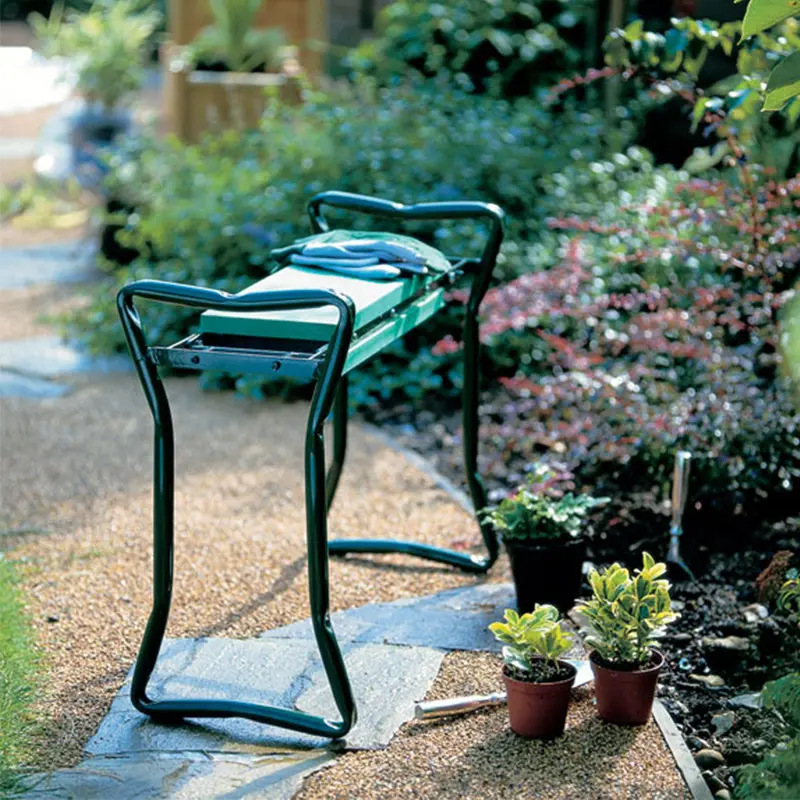
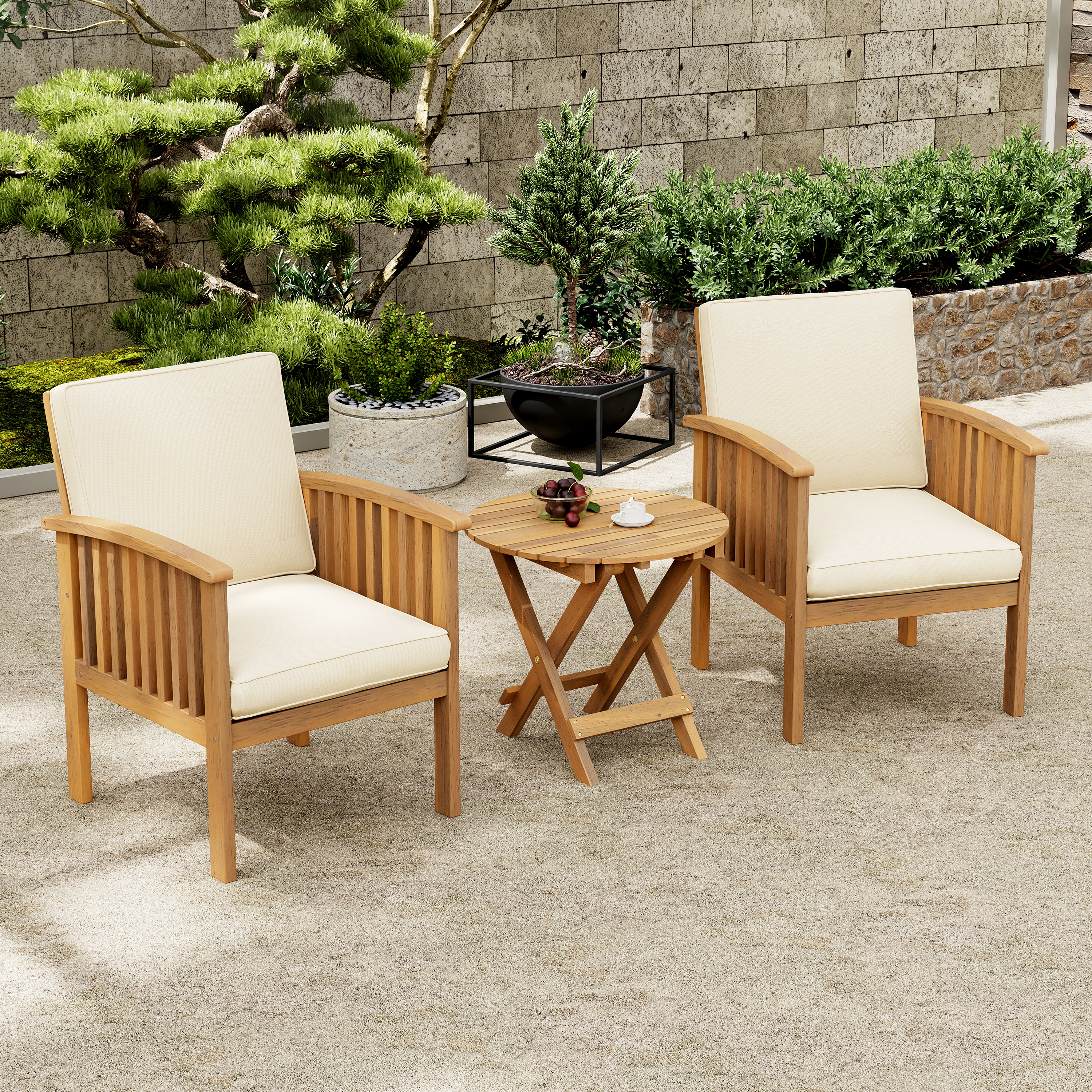
Imagine harvesting your greens and then stepping out onto your balcony to sit on a PulseLiving Wooden Garden Bench or a PulseLiving Patio Set. This blend of Technology, Furniture, and Garden Tools turns a small apartment into a productive, restorative sanctuary.
Whether you are just starting with your first PulseOutdoor Home Balcony Hydroponic Vegetable Planter or you are looking to expand your collection of smart garden accessories, focusing on the health of each verdant sprig is the secret to a professional-grade indoor harvest. By combining the precision of hydroponic technology with the traditional comforts of patio care, any apartment dweller can master the art of the year-round garden.
Get more like this
Subscribe for the next post from Verdant & Vine. No spam, unsubscribe anytime.
Frequently asked questions
What is a verdant sprig in the context of hydroponics?
A 'verdant sprig' refers to the first healthy, green shoot of a seedling. In hydroponics, this stage is critical as it indicates that the seed has successfully germinated and the root system is beginning to access the nutrient solution.
Which hydroponic planter is best for a small apartment balcony?
The PulseOutdoor Home Balcony Hydroponic Vegetable Planter is ideal for apartment chefs because it balances water circulation with space-saving design, making it perfect for indoor or balcony use.
Can I move plants from an indoor smart garden to outdoor hanging bags?
Yes, but they must be 'hardened off.' Gradually expose your hydroponic plants to outdoor conditions (wind and direct sun) for a few hours a day before moving them permanently into Outdoor Hanging Planting Bags or larger patio pots.
How do I attract pollinators to a high-rise apartment balcony?
PulseOutdoor Outdoor Pollinator Water Stakes provide a safe, anti-drowning basin for bees and butterflies, which are essential for pollinating fruiting plants like tomatoes or peppers that you may have started indoors.
Featured products

Related reading
Embracing the Verdant Life: Integrated Solutions for Modern Indoor-Outdoor Living
Embrace the verdant life by integrating smart hydroponic technology with professional outdoor design for the ultimate urban garden sanctuary.

Achieving the Verdant Life: Integrating Smart Gardens and Outdoor Living
Transitioning to a verdant life is about more than just plants; it is a holistic approach to integrating nature and technology into your modern home environment.
Nurturing the Verdant Life: A Guide to Modern Indoor and Outdoor Gardening
Adopting a verdant life means merging modern technology with natural beauty. Discover how smart hydroponics and curated patio gear can transform your urban living space.
Elevating the Apartment Kitchen: Smart Hydroponics and Turbulent Drip Logic
Discover how to implement professional irrigation techniques and smart hydroponic systems into your apartment lifestyle for a year-round gourmet harvest.