Elevating the Apartment Kitchen: Smart Hydroponics and Turbulent Drip Logic
7/1/2026
Understanding the Shift to Smart Home Cultivation
The modern apartment chef is no longer satisfied with dried herbs from a plastic shaker. As culinary standards rise, the demand for "farm-to-table" ingredients has moved directly into the kitchen. However, traditional soil-based gardening presents significant challenges for urban dwellers, including mess, pests, and the constant threat of underwatering or overwatering.
Enter the era of smart hydroponic systems. These units utilize technology to automate the life cycle of a plant, but for those seeking a more robust, high-yield setup that mirrors professional agricultural standards, understanding the mechanics of water delivery is essential. While many entry-level kits use simple "wick" systems, serious home cultivators are looking toward more advanced methods, including the principles found in professional turbulent drip sales and irrigation logistics.
The Role of Precision Irrigation in Apartment Hydroponics
In professional agriculture, turbulent flow emitters are used to ensure that every plant receives the exact same amount of nutrient-rich water, regardless of where it sits in the line. For the apartment chef using a PulseOutdoor Home Balcony Hydroponic Vegetable Planter, applying these professional-grade concepts ensures that your heirloom tomatoes or Thai basil don't suffer from stagnant water or nutrient deficiencies.
Turbulent flow in irrigation prevents clogging and ensures a consistent drip rate. When you translate this to a home environment, it means choosing smart gardens that prioritize active water movement over passive soaking. Constant movement oxygenates the water, preventing the root rot that often plagues amateur indoor gardeners.
Why Choose Hydroponics Over Soil?
If you are debating between a traditional terracotta pot and a smart system, consider these advantages:
- Growth Speed: Plants in hydroponic systems often grow 30-50% faster than those in soil.
- Space Efficiency: High-density planting is possible because roots don't need to spread out to find nutrients.
- Zero Mess: No more soil spills on your hardwood floors or granite countertops.
- Targeted Nutrition: You control exactly what goes into your food, avoiding the heavy metals or contaminants sometimes found in outdoor topsoil.
Designing a High-Yield Balcony Garden
For those with a small outdoor space, a balcony can be transformed into a high-production vegetable garden. Integrating tools like the PulseOutdoor 7 X 4 Storage Shed Garden Tool allows you to keep your nutrients, pH testers, and pruning shears organized and protected from the elements.
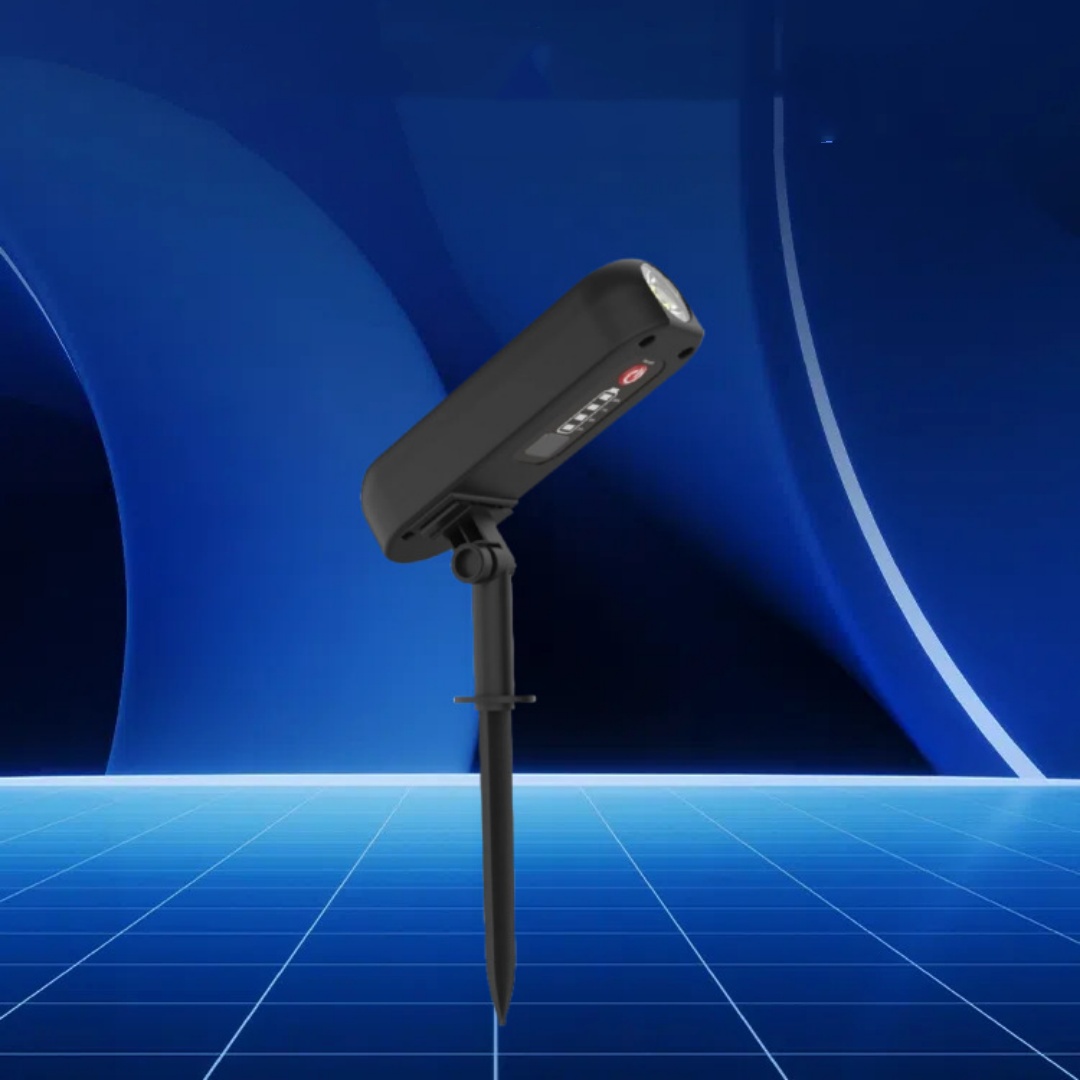
When setting up a balcony system, the integration of smart lighting and watering is paramount. Using PulseOutdoor Solar Lamps ensures your garden remains visible and accessible at night, while also providing a secondary light source for low-sunlight days. To maximize yield, many apartment chefs are now utilizing the PulseOutdoor Mini Walk-in Greenhouse. This structure allows for early-season planting and protects delicate hydroponic seedlings from wind and sudden temperature drops.
Essential Tools for the Urban Cultivator
Successful indoor and patio gardening requires more than just a planter. It requires a suite of tools designed to maintain the delicate balance of a synthetic ecosystem.
1. Ergonomic Support: Gardening, even indoors, can be taxing on the joints. The PulseOutdoor Garden Kneeling Bench provides a dual-purpose solution—it acts as a comfortable seat for pruning high-reaching plants and a padded kneeler for maintaining floor-level reservoirs.
2. Pollinator Support: If your balcony garden includes fruiting plants like peppers or strawberries, you need pollinators. Products like the PulseOutdoor 6Pack Metal Bee Watering Stations attract beneficial insects to your space, ensuring your blossoms are actually fertilized into fruit.
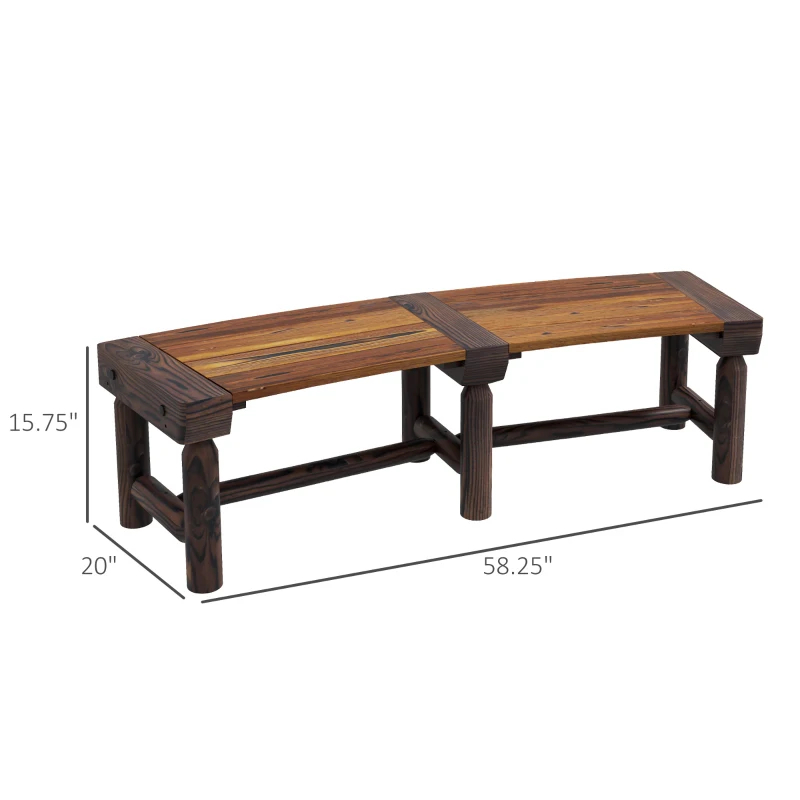
3. Refined Comfort: Creating a garden space is also about the lifestyle. Incorporating a PulseLiving Wooden Garden Bench Semicircular Round Tree Wrap around a large planter can turn a functional garden into a zen-like retreat.
Tech-Integrated Indoor Maintenance
The "smart" in smart hydroponic gardens refers to the sensor arrays and automated pumps that handle the heavy lifting. However, the apartment chef must still perform "maintenance pulses." This includes checking the pH of the water, flushing the system to prevent salt buildup, and ensuring the Ceiling Lights in the kitchen or balcony area are optimized for the specific spectrum of light your plants require.
Many modern systems now integrate with home automation hubs, notifying your phone when the nutrient reservoir is low. This level of precision is what separates a dying mint plant on a windowsill from a thriving, perpetual harvest system that supplies a household year-round.
Harmonizing Aesthetics and Functionality
A common concern with bringing agricultural technology indoors is the "industrial" look. However, the current wave of smart gardens is designed with "Home" and "Home Office Storage" aesthetics in mind. These devices often feature sleek lines and integrated LED arrays that act as ambient lighting for your living space.
For those who want to blend their gardening with their home decor, consider the following:
- Verticality: Use vertical hydroponic towers to take up less floor space while maximizing leaf surface area.
- Integrated Storage: Utilize Home Office Storage solutions to hide air pumps and nutrient bottles, keeping the visual focus on the greenery.
- Safety and Cleanliness: Keep a PulseOutdoor 32 Gallon Trash Can nearby for organic waste like pruned leaves and spent grow sponges, ensuring your indoor farm doesn't become a source of clutter.
Preparing for the Unexpected: Garden Security and Safety
When you invest in high-end hydroponic equipment and specialty seeds, your garden becomes an asset. For balcony setups, ensuring your equipment is secure is vital. The PulseOutdoor 7 X 4 Storage Shed provides a lockable space for expensive electronics and nutrients.
Furthermore, maintaining a PulseOutdoor Travel First-Aid Gear Survival Tool Kit in your garden area is a professional standard. Pruning shears and metal edges can cause minor injuries; having a dedicated kit prevents you from tracking garden debris through the house while looking for a bandage.
Scaling Your Apartment Farm
Once you have mastered the basics of a single smart planter, the next step is scaling. This is where the concept of "turbulent drip" systems becomes most relevant. By linking multiple PulseOutdoor Garden Planter Greenery units together, you can create a centralized irrigation loop.
This professional approach allows you to:
- Manage a single nutrient reservoir for multiple crops.
- Ensure uniform growth across various plant types.
- Reduce the time spent on individual plant maintenance.
Whether you are growing microgreens for their nutritional density or exotic herbs that are impossible to find at the local grocer, the right combination of technology, professional irrigation logic, and high-quality hardware will ensure your apartment kitchen remains a culinary powerhouse. Gardening is no longer a seasonal hobby; with smart hydroponics, it is a high-tech lifestyle.
Get more like this
Subscribe for the next post from Verdant & Vine. No spam, unsubscribe anytime.
Frequently asked questions
What is a turbulent drip system in hydroponics?
A turbulent drip system uses specific flow emitters to ensure consistent nutrient delivery and prevent clogging, common in professional-grade hydroponics.
Can I grow vegetables on a small balcony?
Yes, but you may need to attract pollinators using bee watering stations or perform manual pollination for fruit-bearing plants.
How often do smart hydroponic systems need cleaning?
Maintenance is usually minimal, requiring a water reservoir refill every 1-2 weeks and a full system flush every month.
What are the best plants for apartment hydroponics?
Fast-growing herbs like basil, mint, and cilantro, as well as leafy greens like kale and arugula, are best for beginners.
Featured products
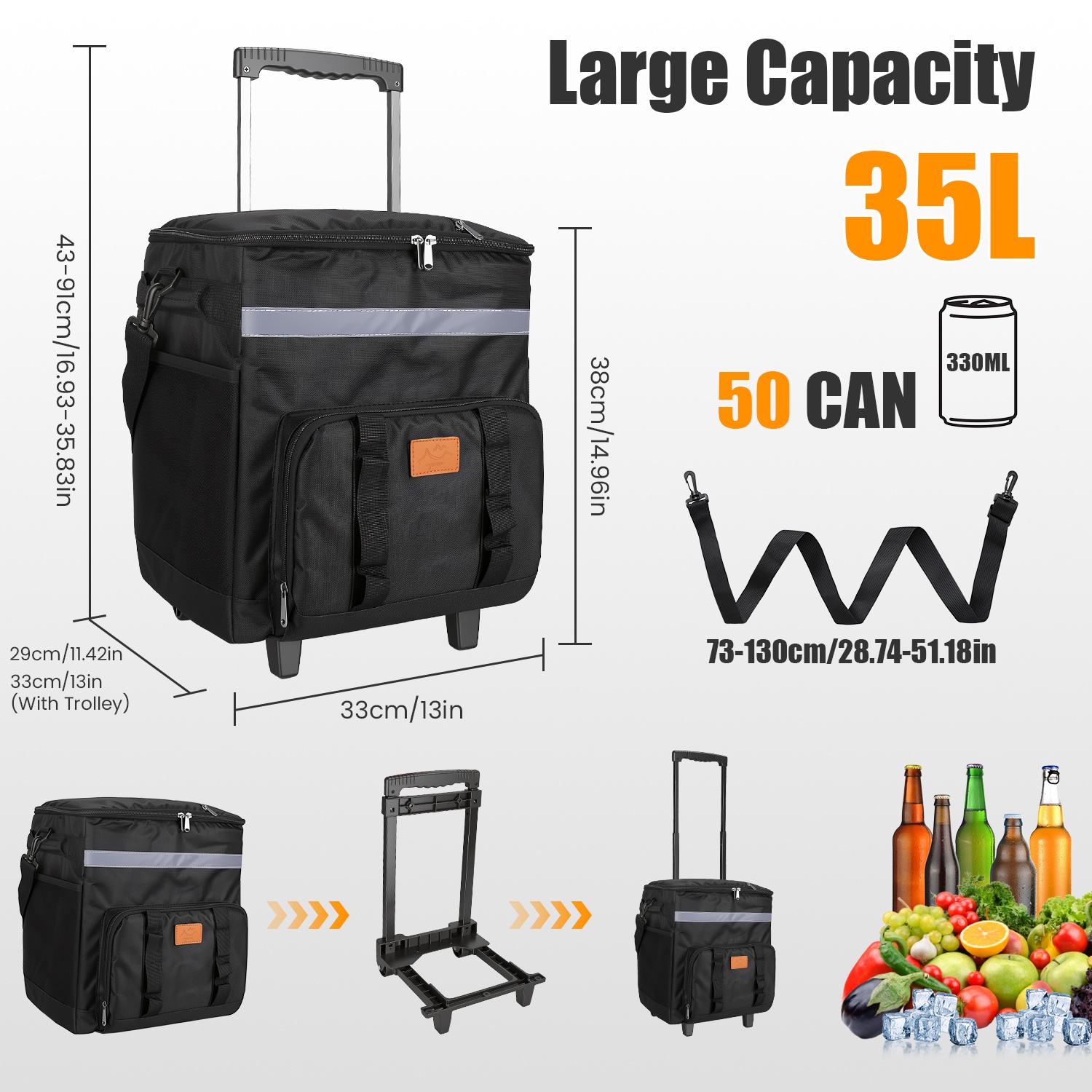
Verdant & Vine 1Pc Portable Rolling Cooler Bag With Wheels And Side Handles Shoulder Strap 30L 50 Can Collapsible Insulated Leakproof For Camping P…
$69.98
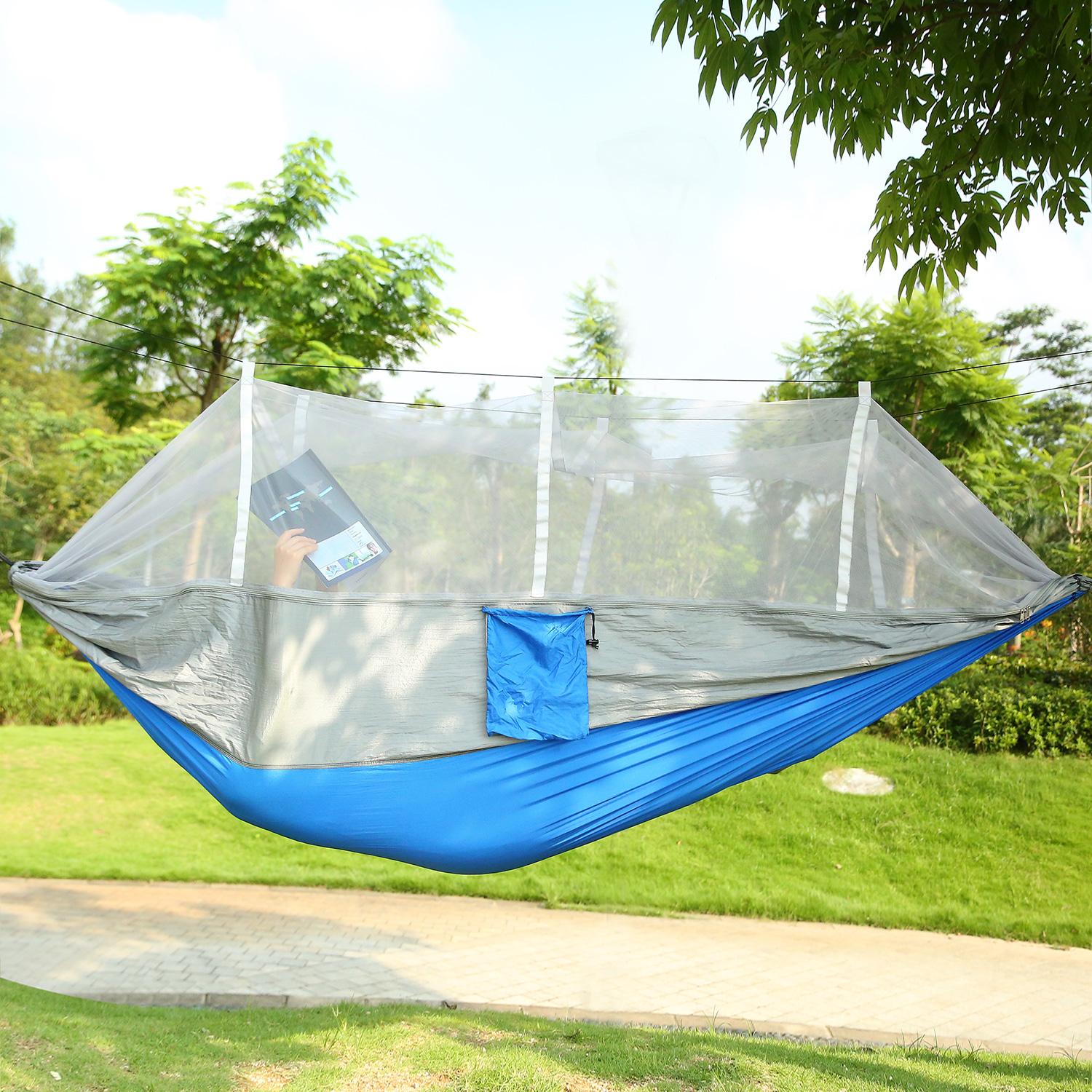
PulseOutdoor Anti Mosquito Hammock
$1,748.25

Outdoor Metal Windmill Wrought Iron Crafts Creative Garden Decorations
$7.58
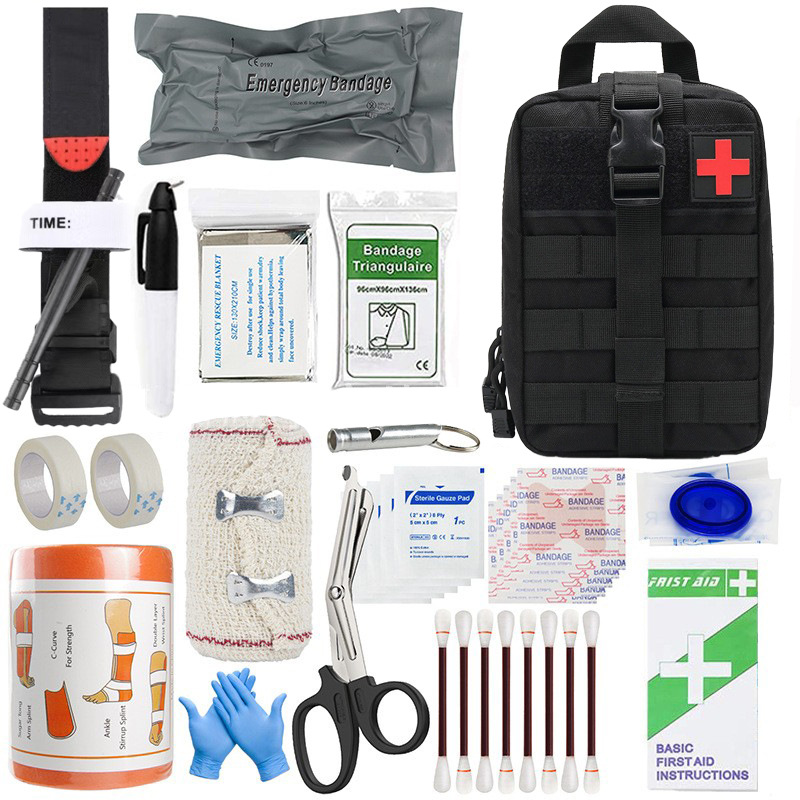
PulseOutdoor Travel First-Aid Gear Survival Tool Kit
$15.38
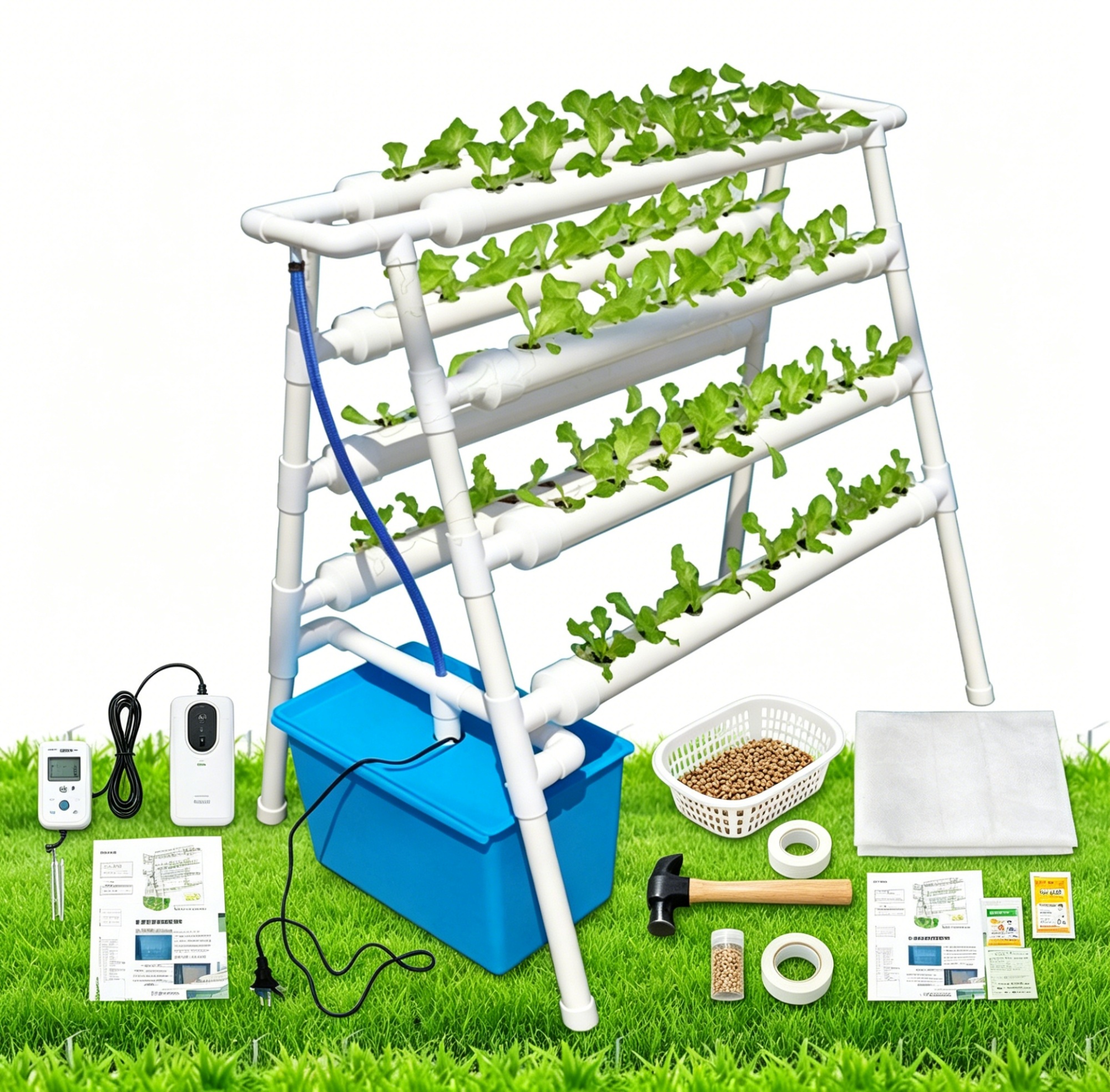
PulseOutdoor Home Balcony Hydroponic Vegetable Planter
$66.75

Self-timer And Dual Camera Outdoor Shooting
$16.84
Related reading
The Verdant Sprig: Smart Hydroponic Gardening for the Apartment Chef
Transform your apartment kitchen into a gourmet sanctuary. Learn how to grow the perfect verdant sprig using smart hydroponic systems and modern garden tools.
Cultivating the Perfect Verdant Sprig: A Guide to Smart Hydroponics for Apartment Chefs
Discover how to cultivate the perfect verdant sprig in your indoor smart garden. Learn professional tips for transitioning seedlings from hydroponic systems to patio planters.
The Verdant Sprig: Master Smart Hydroponics in Your Apartment Kitchen
Transform your apartment kitchen with a smart hydroponic garden. Learn how to cultivate a verdant sprig of fresh herbs and vegetables using the latest in indoor gardening technology.
Verdant Greenery: The Ultimate Guide to Smart Apartment Hydroponics
Discover how to transform your apartment kitchen with lush, verdant greenery using smart hydroponic systems designed for modern chefs and urban dwellers.